Our Services
- Diabetes Mellitus
- Hypertension
- Osteoporosis
- Inflammatory Bowel Diseases
- Hypothyroidism and Endocrine Diseases
- Chronic Respiratory Diseases
- Chronic Neurological Diseases
- Chronic Liver Diseases
- Chronic Kidney Diseases
- Cardiovascular Diseases
- Arthritis and Rheumatic Diseases
- Confidential STD Testing & Treatment
- Women’s Health Screenings
- Men’s Health Screenings
- Obesity
- Vitamin Infusions
- Weight Management
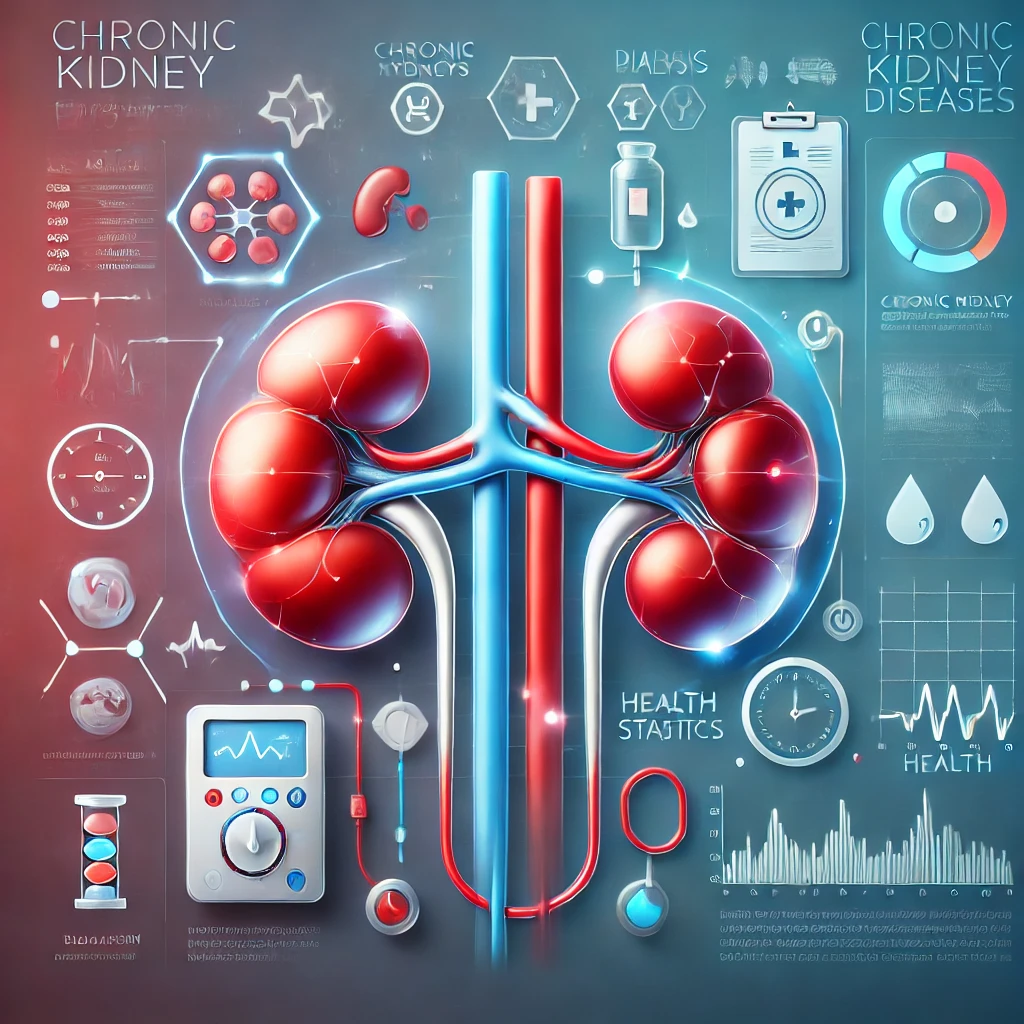
Chronic Kidney Diseases
Chronic Kidney Disease (CKD) is a progressive condition where the kidneys lose their ability to filter waste and excess fluids from the blood. Without proper management, kidney failure may develop, requiring dialysis or a kidney transplant.
At our clinic, we offer early kidney evaluations and collaborative management with nephrologists to help maintain kidney function and prevent further deterioration.
Causes & Risk Factors
. Medical Conditions Leading to CKD
- Diabetes – The leading cause of kidney failure.
- Hypertension – High blood pressure damages kidney blood vessels.
- Glomerulonephritis – Inflammation of kidney filtering units.
- Polycystic Kidney Disease (PKD) – A genetic disorder causing cysts in the kidneys.
- Urinary Tract Obstructions – Kidney stones, enlarged prostate, or recurrent infections.
2. Lifestyle & Other Risk Factors
- Smoking & excessive alcohol consumption.
- Obesity & sedentary lifestyle.
- Long-term use of NSAIDs and painkillers.
- Family history of kidney disease.
Symptoms of Chronic Kidney Disease
CKD is often asymptomatic in early stages, but as it progresses, symptoms may include:
- Swelling in legs, ankles, or face due to fluid retention.
- Fatigue & weakness due to low red blood cell production.
- Changes in urination (frequency, color, or foamy urine).
- High blood pressure that worsens over time.
- Shortness of breath caused by fluid buildup in the lungs.
- Itching & dry skin due to toxin accumulation in the blood.
Chronic Kidney Disease Management & Treatment
1. Early Detection & Monitoring
- Blood tests to measure kidney function (creatinine, eGFR).
- Urine tests to check for protein leakage (albuminuria).
- Regular blood pressure monitoring to prevent further damage.
2. Medication & Medical Management
- ACE inhibitors & ARBs – Protect kidneys by controlling blood pressure.
- Diuretics – Reduce fluid retention.
- Erythropoietin therapy – Treats anemia in CKD patients.
- Phosphate binders & vitamin D supplements – Maintain bone health.
3. Dietary Adjustments
- Reduce sodium intake to control blood pressure.
- Limit protein intake to reduce kidney workload.
- Monitor potassium & phosphorus levels to prevent imbalances.
- Stay hydrated but avoid excessive fluid intake in later stages.
4. Lifestyle Modifications
- Quit smoking & limit alcohol consumption.
- Maintain a healthy weight through proper diet and exercise.
- Manage diabetes & hypertension effectively.
5. Advanced CKD Treatment (For Late Stages)
- Dialysis – Removes waste and excess fluids from the body.
- Kidney transplant – Replaces a failing kidney with a healthy one.
Complications of Untreated Chronic Kidney Disease
Without proper management, CKD can lead to:
- End-stage renal disease (ESRD) requiring dialysis or transplant.
- Severe fluid retention causing heart and lung complications.
- Electrolyte imbalances leading to muscle weakness and irregular heartbeat.
- Increased risk of cardiovascular diseases (heart attack, stroke).
- Bone disease & fractures due to calcium and phosphorus imbalances.
Advantage Kidney Care
We offer a comprehensive kidney health program, including:
✅ Early kidney function testing for timely detection.
✅ Personalized dietary and lifestyle recommendations.
✅ Collaboration with nephrologists for specialized treatment.
✅ Medical management to slow disease progression.
✅ Guidance on dialysis and transplant options when necessary.


Health Tips & Info
- Monitor blood pressure & blood sugar levels regularly.
- Stay active and maintain a balanced diet.
- Reduce salt & processed food intake to protect kidney function.
- Avoid excessive painkiller use to prevent kidney damage.
- Stay hydrated, but follow your doctor’s advice on fluid intake.